
The Sîhtoskâtowin Program · Facilitated by MakeWay
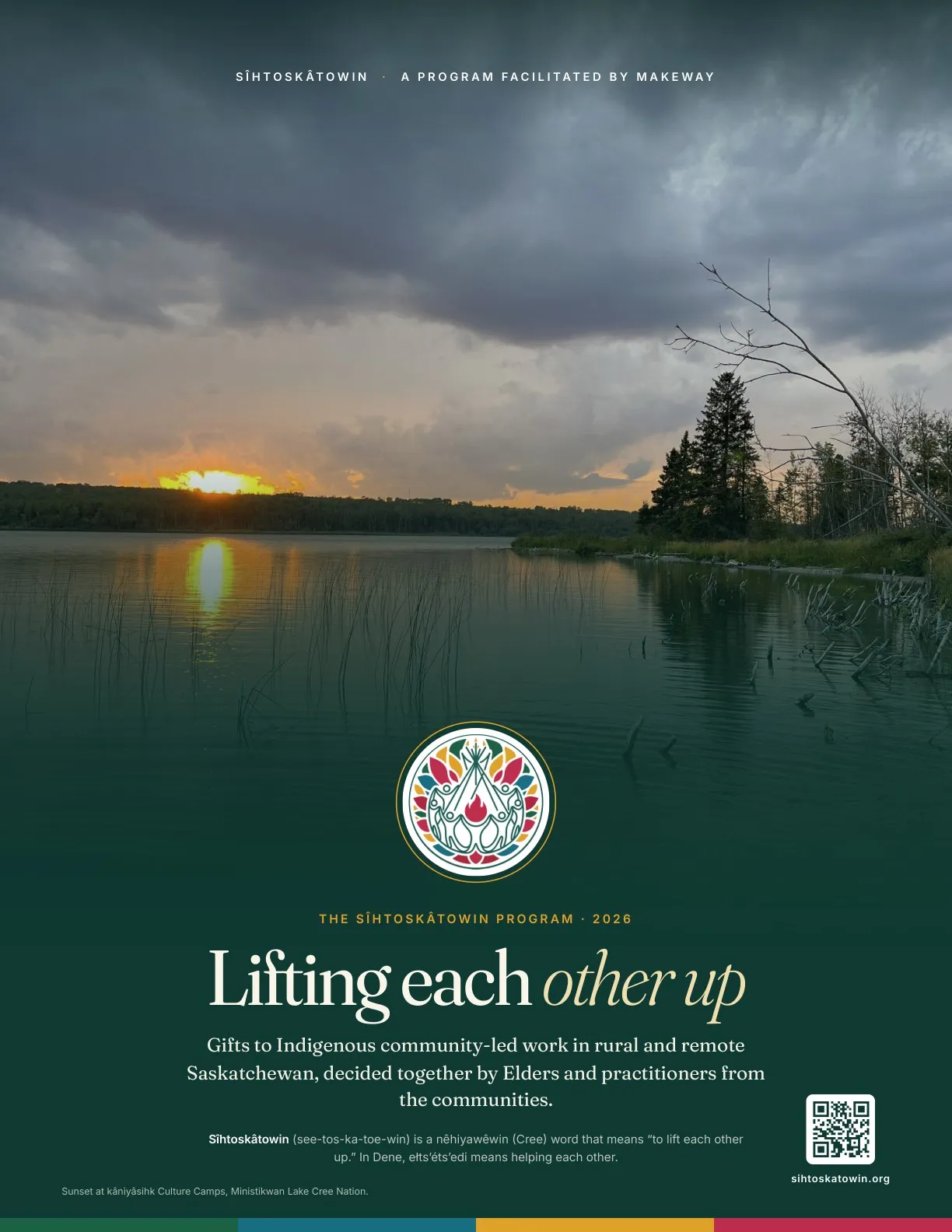
Lifting each other up
Gifts to Indigenous community-led work in rural and remote Saskatchewan, decided together by Elders and practitioners from the communities.
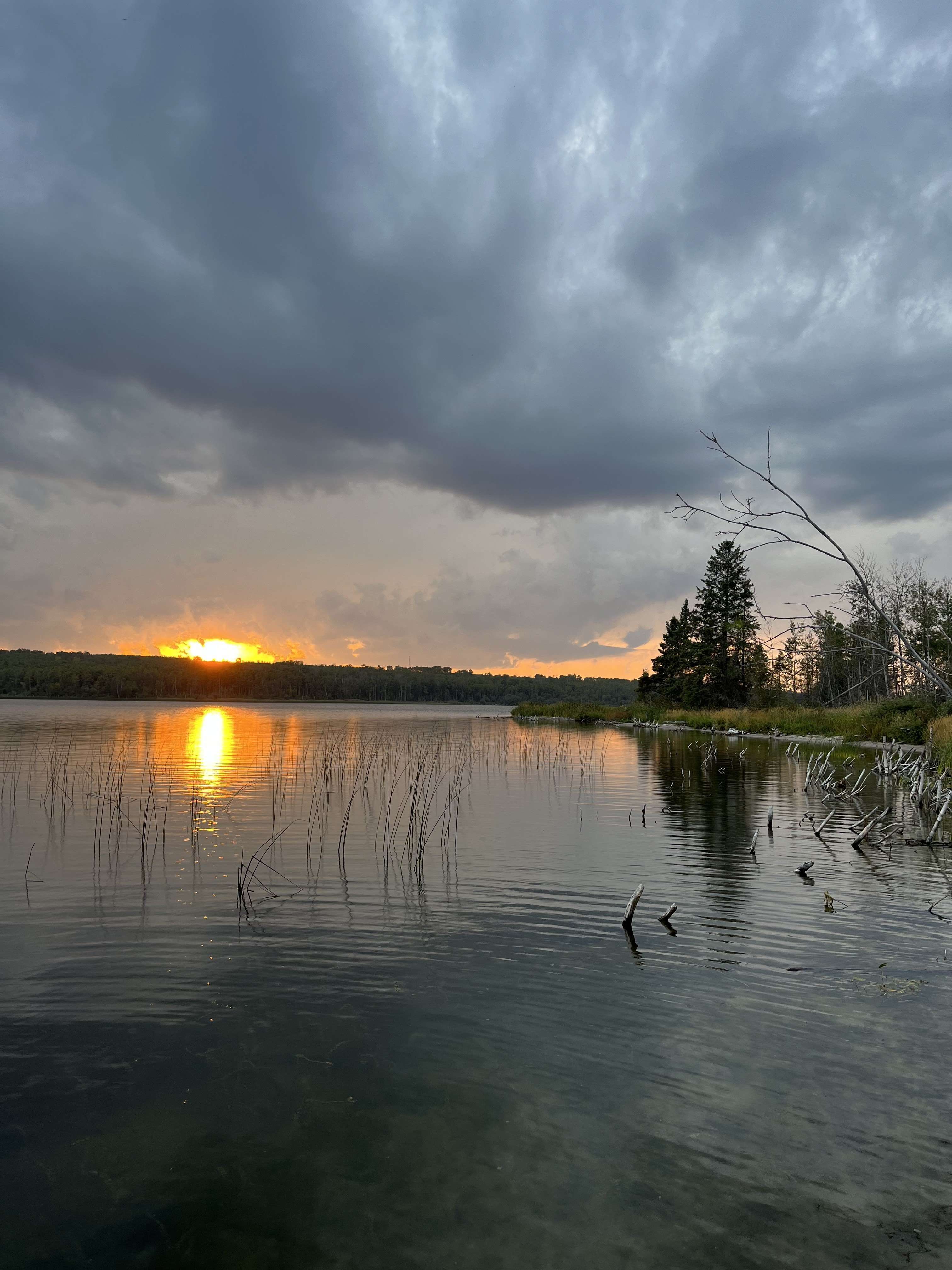
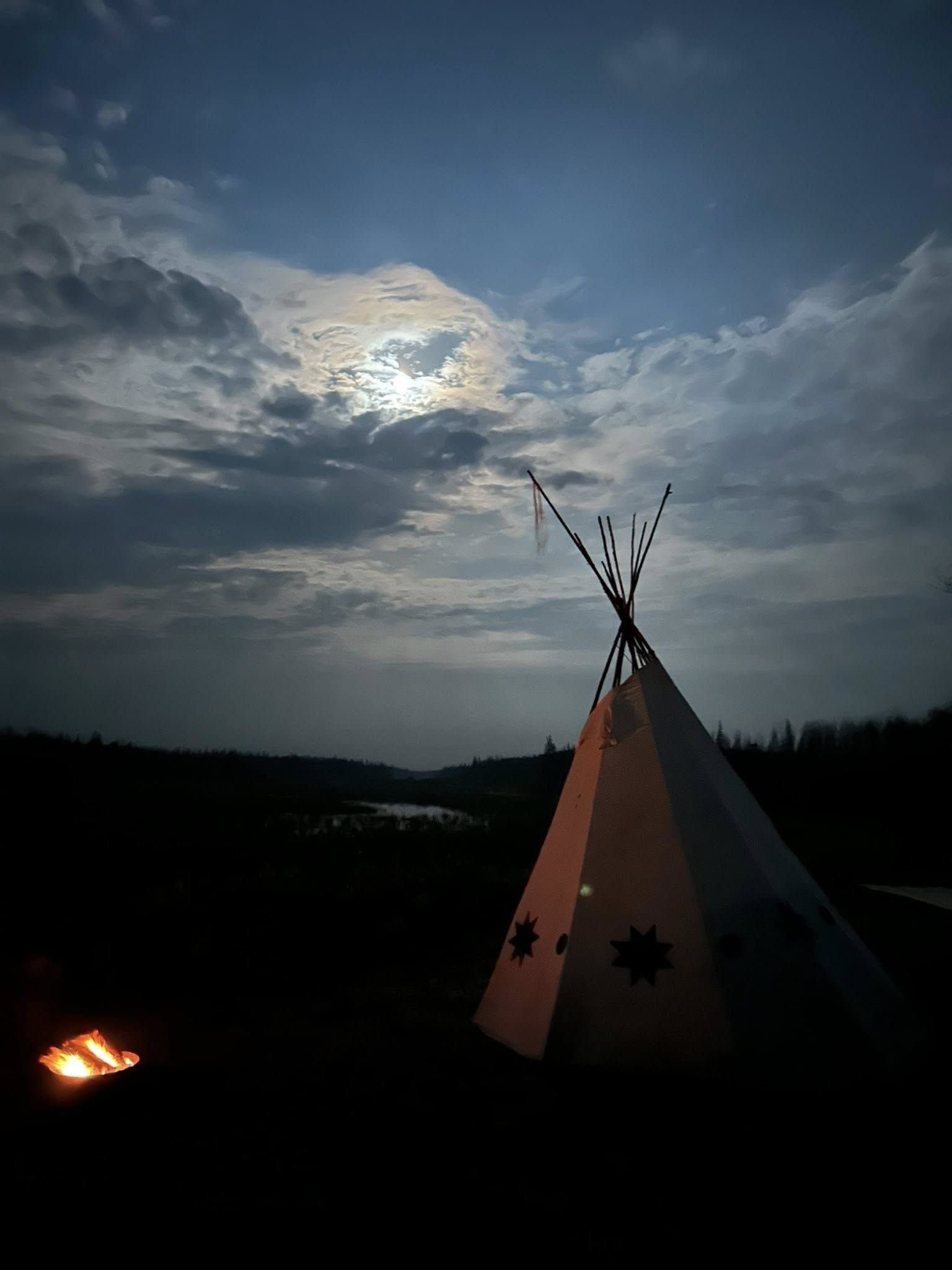
Sunset at kâniyâsihk Culture Camps, Ministikwan Lake Cree Nation. Photo: kâniyâsihk Culture Camps.

nêhiyawêwin · Cree
About the program: sîhtoskâtowin
see-tos-ka-toe-win · to lift each other up
The program was created, and is governed, by local Indigenous people.
At each seasonal intake a Working Group of Elders and practitioners from communities across the province decides the gifts by consensus. MakeWay facilitates the program, and its staff act as helpers.
How it began
In 2020–21, forty-two people in Saskatchewan contributed knowledge to a learning journey that explored what communities need, what a good partner looks like, and if there was encouragement to build a support program for Indigenous-led work. Direction was given to create an Indigenous-led program that centres community voices, listens more than talks, and takes a steady and humble approach.
After two in-person gatherings it was decided the program would be locally overseen. The Working Group formed in 2023 and has since decided gifts and supported program direction.
In Dene, ełtsʼétsʼedi means helping each other.
Gifts to three priority areas
-
Indigenous food systems
Gardens, farms, harvests, equipment and community food programs.
-
Health and healing
Healing spaces, wellness and youth programs, support in emergencies.
-
Cultural reclamation
Land-based camps, language, and cultural gatherings.
Eight guiding principles
- Holistic
- Support mental, spiritual, emotional and physical wellbeing.
- Collectivity
- We live to support and encourage each other and create collective benefit.
- Diversity
- Plant lots of seeds to see what grows. Support communities to try, experiment, do and learn together.
- Connections
- Build relationships between communities, and between funders and communities.
- Indigenous-led
- Grassroots, local agency and Nation-led work. A direct relationship with the Band is not required.
- Non-interference
- Respect for individual will.
- Celebrate together
- Celebrate the good work.
- Friendship
- The relationship comes first.
The program at a glance
-
$2.75million
gifted to community work, May 2020 to September 9, 2026
-
126
gifts; 108 since the Working Group began in 2023
-
61
community partners; 24 supported more than once
-
32
communities where funded work was based, to March 2026
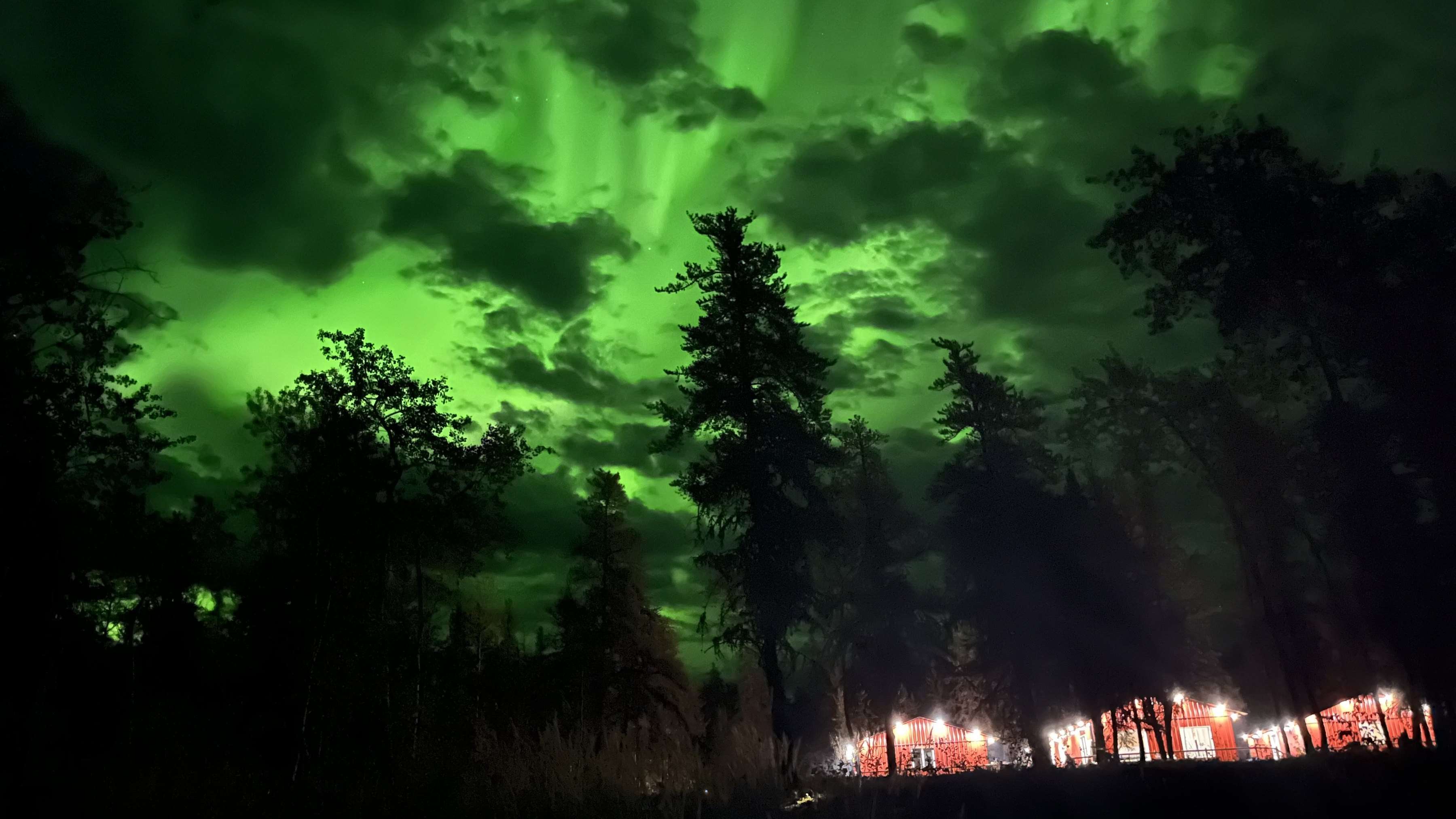
Above: northern lights over the cabins at Home Away from Home camp, Frobisher Lake. Photo: Turnor Lake & Birch Narrows Community Food Centre.
How gifting works
A conversation first. The form comes later.
-
Step 1: Meet and visit
Staff meet interested groups and take time to learn about the work and the people behind it.
-
Step 2: Share the form
The proposal form is shared only when there is a strong fit.
-
Step 3: Talk it through
The Working Group weighs each request against the guideposts, the priority areas and what members know of the place.
-
Step 4: Decide together
Gifts are made by consensus. There is no scoring sheet.
-
Step 5: Share back
Partners send photos, stories and what they learned. Standardized reporting is not required.
Giftmaking guideposts
What the Working Group looks for in every request.
- The work addresses one or more priority areas
- The project supports community, not just individuals
- The project is Indigenous-led
- There are local people dedicated to the work
- It builds up community; it is not a “one and done”
- It supports youth, Elders and families
Who can reach out
We support Indigenous-led community work in rural and remote Saskatchewan: grassroots, local agency and Nation-led work.
Most groups we meet are not registered charities, and they may not have a direct relationship with a Band. To support this work, groups often collaborate with a First Nation, a northern village, or a charity or other qualified donee that receives and manages the gift while working with the group to ensure the work gets done and the funds benefit communities. Groups are welcome to reach out to us even if they do not have a collaborator yet.
Four seasonal intakes a year: spring (April), summer (July), fall (September and October) and winter (January). When an emergency strikes, gifts can go out between intakes.
The Working Group and staff
Decided here, by consensus.
Since spring 2023, the gifts made at each seasonal intake have been decided by Elders and practitioners from the communities the program serves. Members talk each request through until they agree.
-
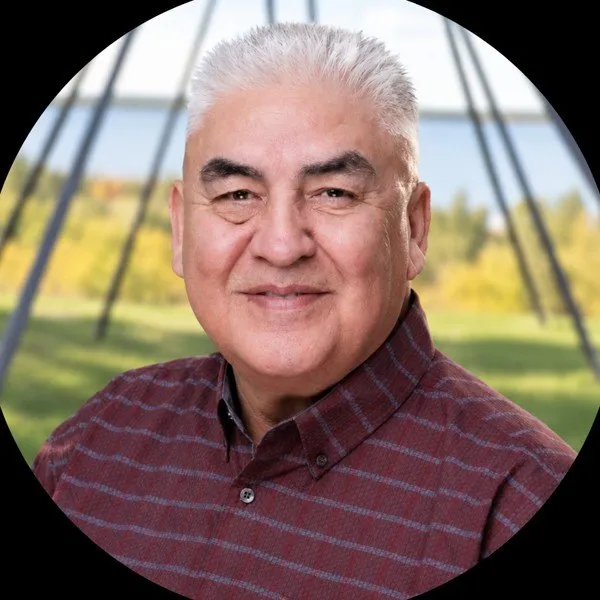
Elder Chuck Thomas
Beardy’s and Okemasis’ Cree Nation
-
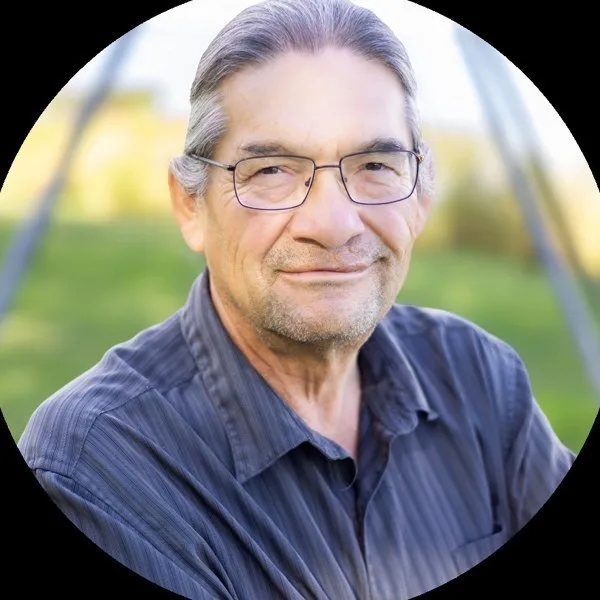
Elder Joe Munroe
Agrology and food systems, Muskoday First Nation; the program’s Elder Advisor
-
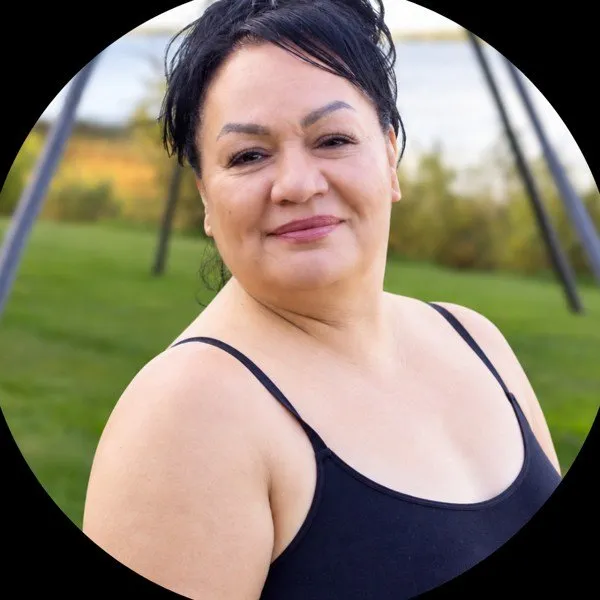
Rebecca Sylvestre
Community Food Centre Manager, Turnor Lake and Birch Narrows Dene Nation
-
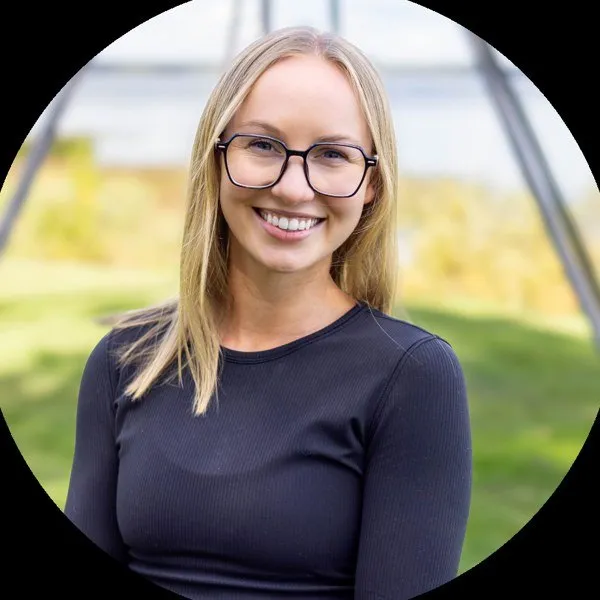
Megan Miller
Registered Dietitian, Prince Albert Grand Council
-
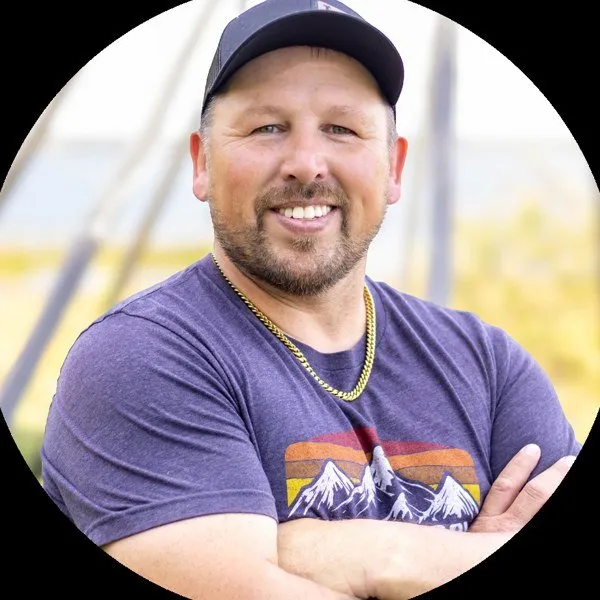
Jarret Nelson
Land-based educator, Weyakwin, Montreal Lake Cree Nation
-
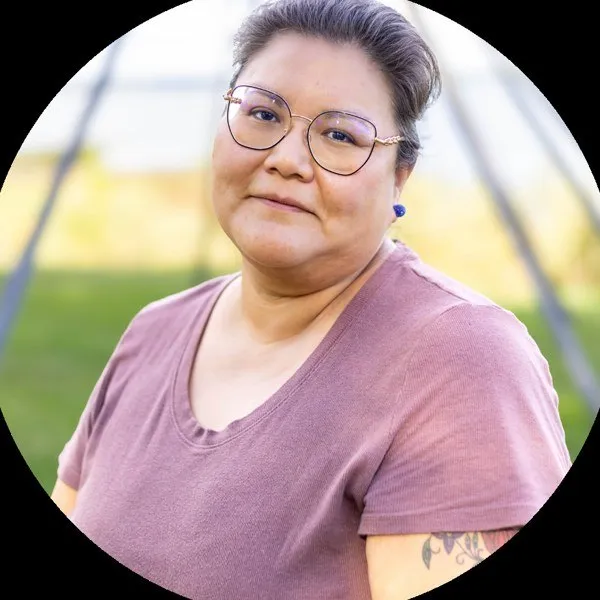
Juandell Windigo
Health and wellness, Muskowekwan First Nation
-

Sherilyn Clarke
Student, Kinoosao
-
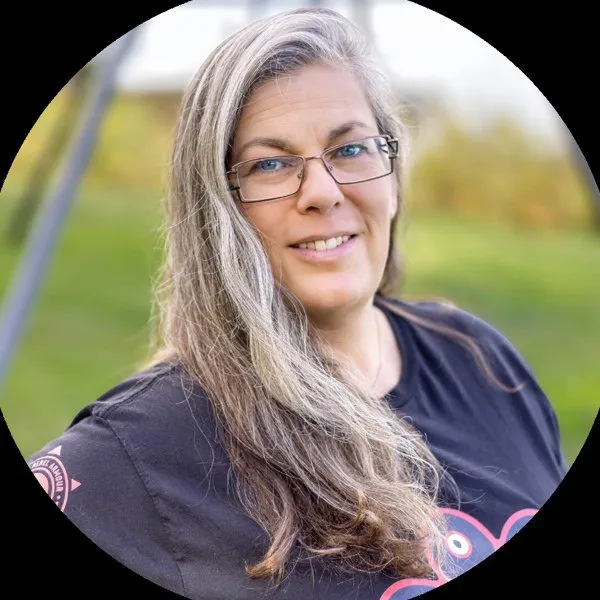
Julie Price
Director, Manitoba and Saskatchewan Programs
-
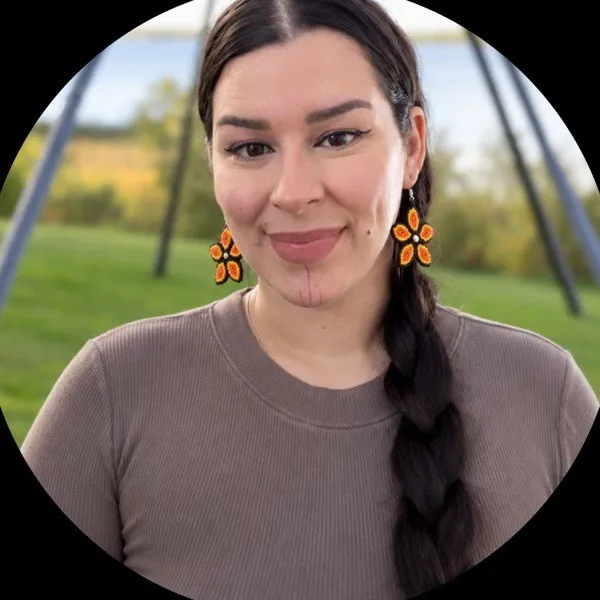
Taylar Belanger
Community Engagement
-
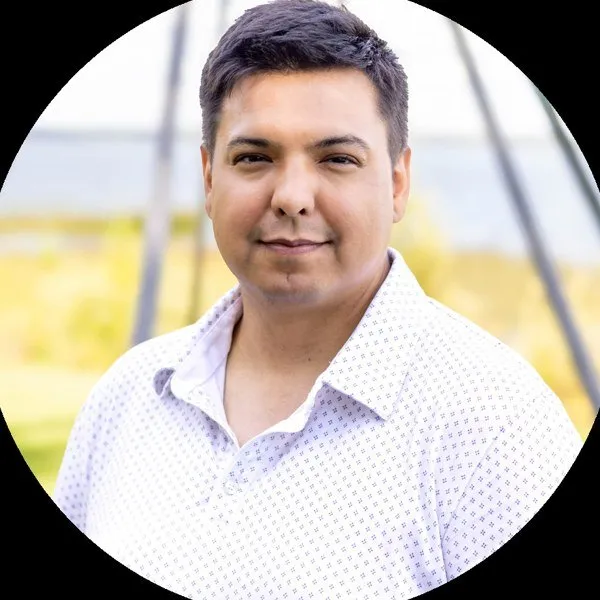
Jason Cardinal
Program Manager, joined spring 2026
Staff, with a gold ring, act as helpers: they meet groups first, bring requests to the Working Group, take the notes and follow up. With thanks to past members Hal Cameron and Cheryl McCallum.
From our partners
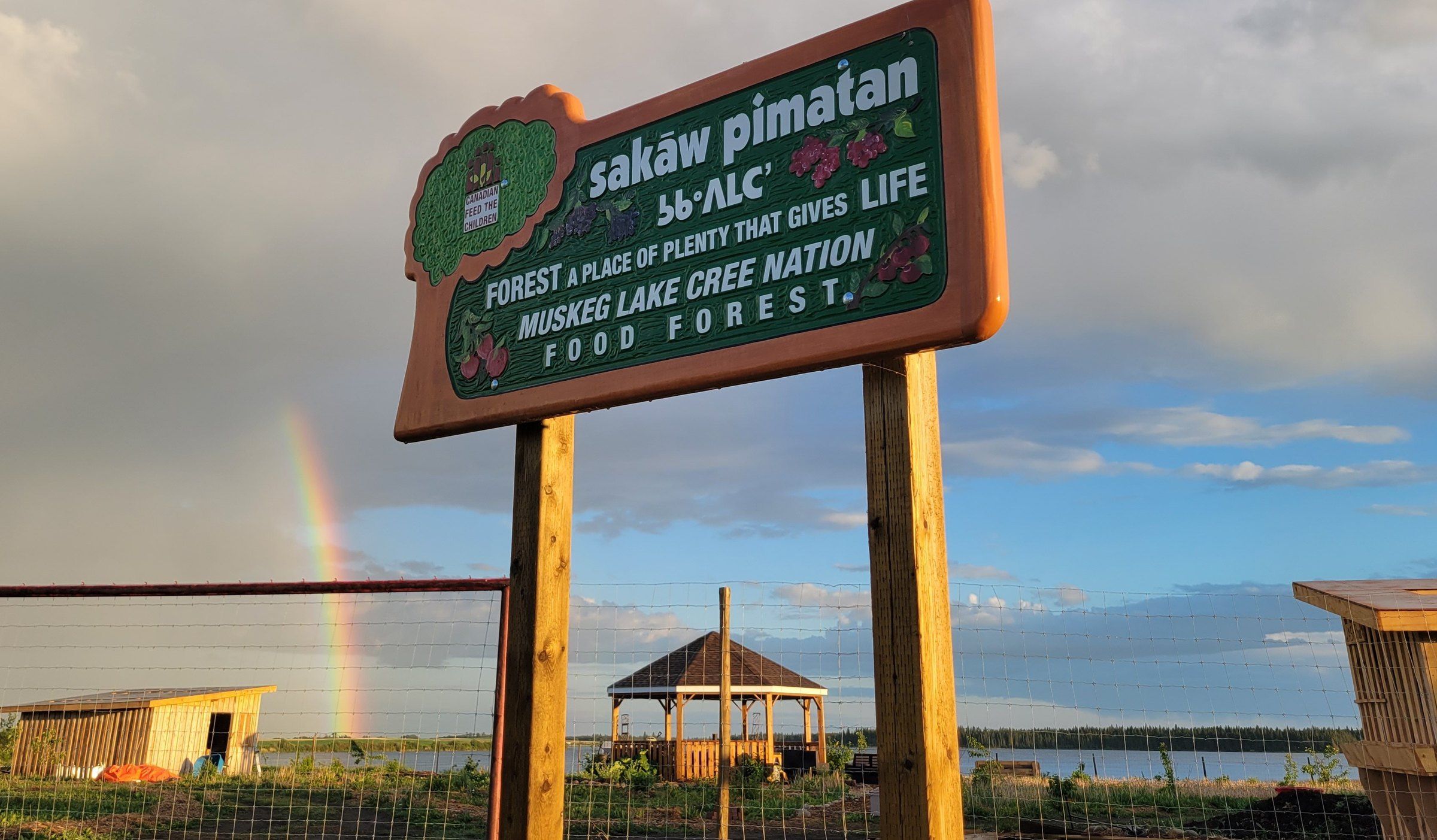
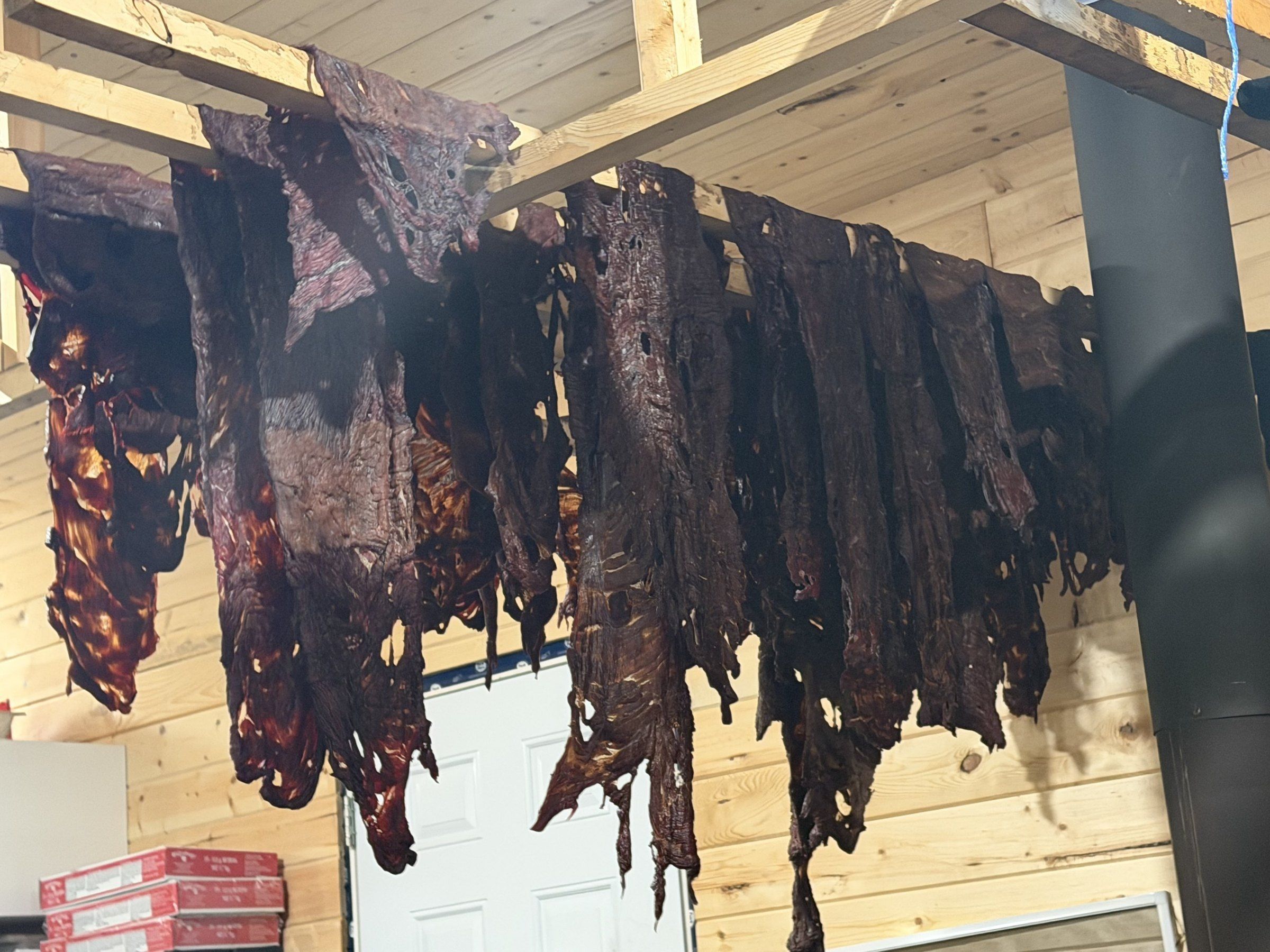
Read news from our partners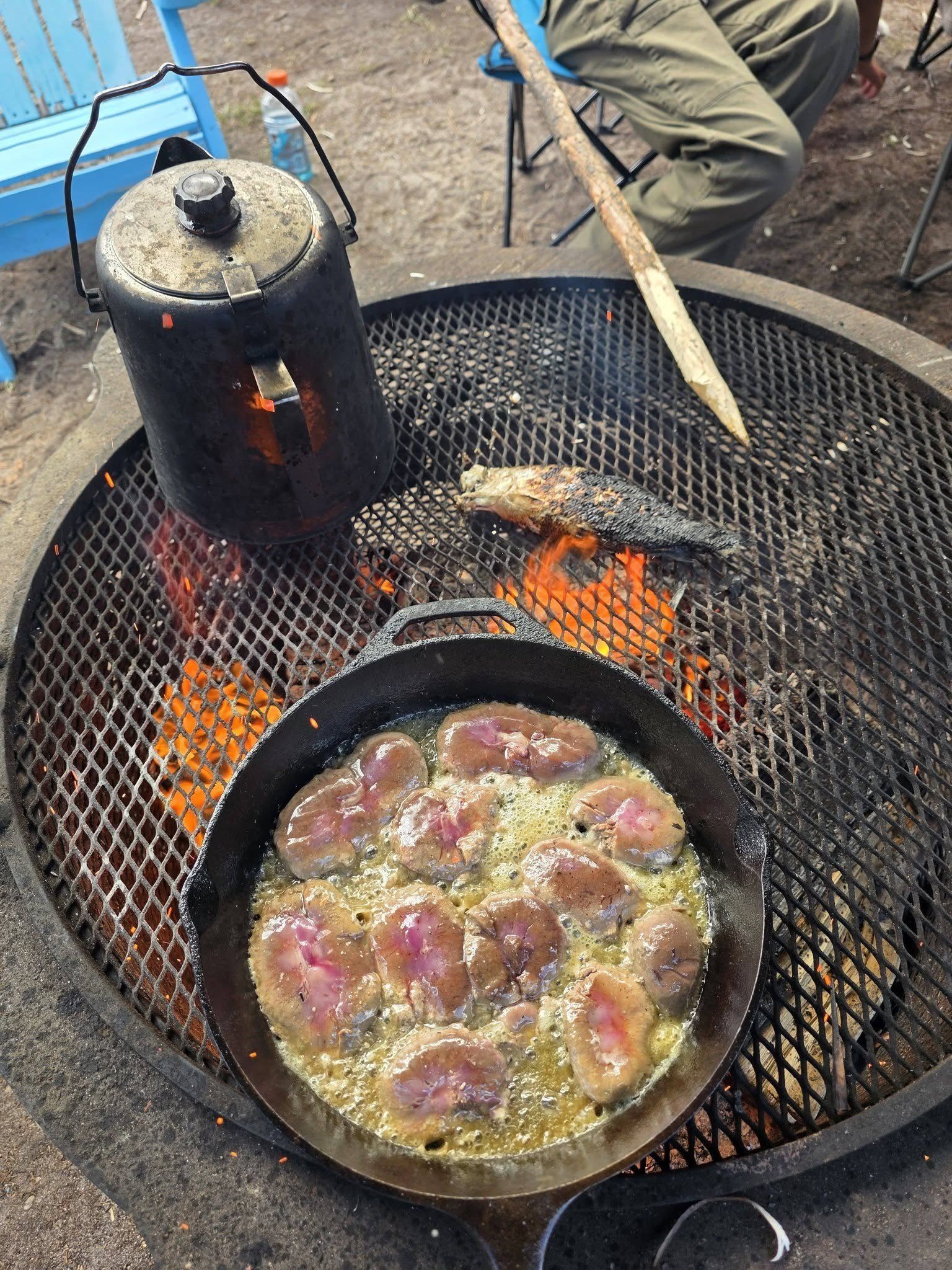
The 2026 folio
The program on four pages
Printed for the public launch with the Saskatchewan Indigenous Community Foundation on October 20, 2026.
What the program is and how it began, its guiding principles, the program at a glance, how a gift is made, the Working Group, and who to contact.
Download the folio (Sîhtoskâtowin Folio 2026, PDF)PDF · 4 pages · 7.6 MB
Start with a conversation
Get in touch
There is no application form to begin with. Tell us what your community is working on, and a staff member will be in touch to talk it through.
-
Jason Cardinal
Program Manager
jason.cardinal@makeway.org -
Taylar Belanger
Community Engagement
taylar.belanger@makeway.org -
MakeWay
The program’s facilitator, a registered Canadian charity and public foundation
1-866-843-3722
We are a small team and we travel. If we are on the road, it may take us a few days to reply, and we will.